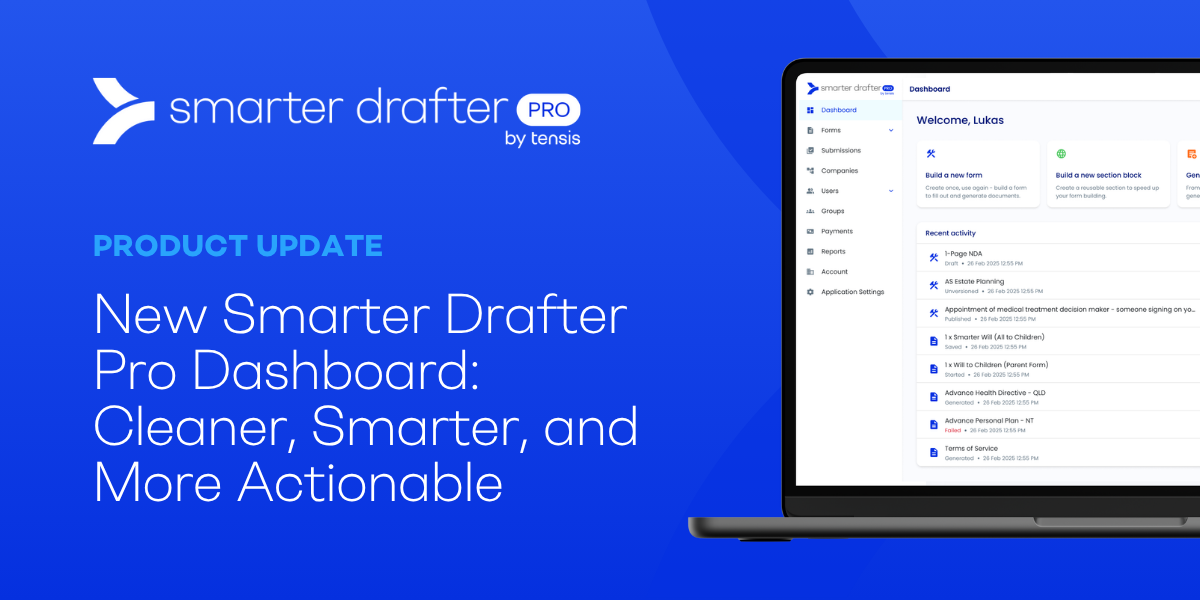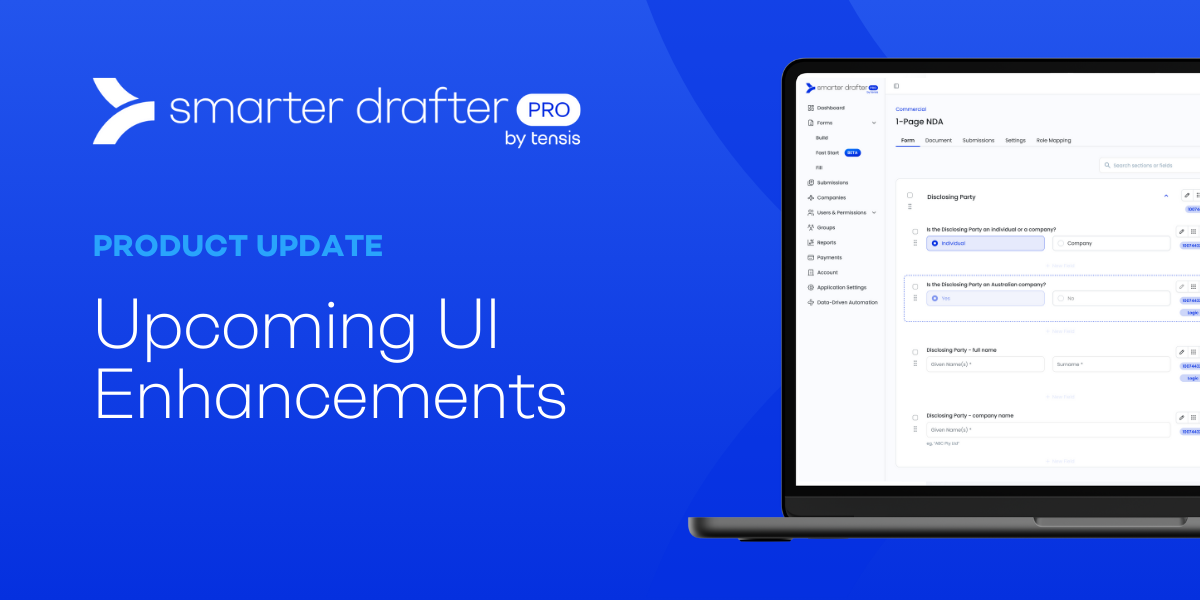
We’re rolling out updates to the look and feel of Smarter Drafter Pro – subtle changes that you’ll...
When Every Lawyer Sounds the Same, What Are You Actually Selling?
 Smarter Drafter
·
3 minute read
Smarter Drafter
·
3 minute read
Why the firms that connect AI to their own precedent library will outwork and outlast the ones that don’t.
Every law firm using AI right now has the same problem. They just haven't named it yet. The models are the same. The training data is the same. And increasingly, the first drafts are starting to look the same.
That's not a technology failure. That's what large language models do. They produce a sophisticated average of everything they've been trained on. Fluent. Legally competent. And belonging to nobody.
Your precedent library is not that average.
Your Reputation Lives in Your Precedents
The value in your precedent library isn't the formatting. It's the judgment that survived contact with the real world and got written down.
The indemnity clause that held up when it was tested. The definition that closed three deals where the previous version had stalled them. The liability cap your clients expect and counterparties have stopped fighting. That body of work represents decades of refinement under pressure. It is, in the most direct sense, what clients are paying for when they instruct your firm rather than the one down the street.
You didn't build your practice by being adequate. You built it by being right, consistently, in situations where being wrong was expensive. Clients came back, and brought others, because your name on a document meant something specific. Not just competence. A point of view. A way of handling risk.
That reputation lives in your precedents. The question now is whether it survives AI.
The Race to the Bottom Nobody Planned
When every firm runs the same models, the output converges. And when documents are indistinguishable, the conversation with the client moves, inevitably, to price. That is the race to the bottom that AI is supposed to help you avoid, not accelerate.
The firms feeling this most acutely aren't the ones resisting AI. They're the ones that adopted it without asking a harder question: where does the firm's judgment sit in the process? If AI is generating the operative text like the clauses, the definitions, the risk allocation, then the firm's precedent library is sitting idle while a model trained on everyone's documents produces something that sounds like no one in particular.
Speed without voice is commodity throughput. And commodities don't command premium fees.
The Architecture That Resolves This
The right answer isn't to slow AI down. It's to point it at the right things.
An AI agent that handles intake, orchestrates the matter, reads the counterparty's draft for deviations from your standard, manages the workflow - that is AI working for the firm. It takes the weight off fee-earners without touching what makes the firm distinctive.
But when it comes to the legal drafting, the agent shouldn't be generating from scratch. It should be calling directly into the firm's document automation system via the Model Context Protocol (MCP) and pulling from the firm's approved library, assembled according to the firm's rules, in the firm's voice.
The agent brings pace and intelligence to everything around the document. The automation system ensures the document itself is unambiguously yours. Fast. Consistent. And impossible to mistake for anyone else's work.
The Precedent Library Is the Moat
As AI drafting commoditises the baseline, and it will, the differentiator becomes the quality and distinctiveness of what sits behind the automation.
A firm with a shallow, poorly maintained precedent library and an AI agent produces generic work quickly. A firm with deep, well-curated institutional knowledge and an AI agent produces distinctive work quickly. The speed is the same. The outcome for the client, and for the firm's reputation, is not.
The firms that will look back on this period as an advantage are the ones that recognised what their precedent libraries actually represent and invested accordingly. Not just maintaining them - treating them as a strategic asset, and building the systems that put them at the centre of every AI-assisted workflow rather than on the margins of it.
A Direct Question
The next time a document goes to a client under your name, ask whether it sounds like your firm or like a capable stranger.
-
If it sounds like your firm, the architecture is right. Your institutional knowledge is in the system, and AI is helping it scale.
-
If it doesn't, if it could have come from any practice with access to the same model, then AI isn't amplifying your reputation. It's quietly replacing it with an average.
And averages don't command premium fees, retain clients through difficult markets, or build the kind of practice that has your name on the door. The technology is not the risk. Letting it erase thirty years of hard-won distinctiveness is.
About Smarter Drafter
Smarter Drafter is enterprise-grade document automation for law firms and in-house counsel. It's simple to build, designed for complexity, and embedded where you work. It connects a firm's precedents, data, and workflows into a single system, consolidating years of expertise into structured drafting workflows that cut document production from hours to minutes. With a no-code builder, knowledge teams stay in control without relying on specialists or external consultants.
About Smarter Drafter MCP
The Smarter Drafter MCP Server connects AI platforms like Claude directly to your firm’s document automation engine via the open Model Context Protocol standard. Lawyers can produce trusted, firm-approved legal documents without ever leaving their AI workflow; no tab-switching, no manual form filling, no AI-generated operative text. Setup instructions and developer documentation are available at developers.smarterdrafter.com/reference/mcp-server